
Until we have the technology to freeze them in cryogenic pods, rotary valves aren’t immortal. The parts and surfaces of your equipment slowly erode as you convey material day in and day out. That’s life.
The exact service life of a rotary airlock valve depends on the application. Valves wear down faster with abrasive and corrosive materials, but there are ways to protect against that damage and add longevity.
Some preventative methods depend on your material and application, so you’ll need to choose the right features from the start. Other life-extending practices apply to every valve: regular maintenance is a critical one.
Running your valve with worn-out parts can cause more damage in the long run, so first learn to identify the signs of wear-and-tear.
What are some common signs of rotary valve wear?
- Noise. Is your valve louder than usual or making noises you’ve never heard before? This could be due to material buildup, a jam, a failed bearing, or improper rotor clearances, to name a few.
- No rotation. If your rotor has stopped rotating, lock out the valve first. Then you can check your motor settings, look for foreign objects in the inlet, and inspect your drive chain and gearbox.
- Fast-wearing seals. If your shaft seals are wearing down faster than usual, you can try adjusting the seal to make sure it’s fitted in the right position. Another possibility is that you’re using the wrong air purge pressure.
- Material flow issues. Bridging, ratholing, and other material issues often start upstream of the valve, but if you’ve ruled those out, you can try adjusting the motor speed or replacing the sprockets. Too much rotor pocket fill or excess moisture in your materials are other common culprits.
- Material leakage. Leaks usually indicate worn-out shaft seals, so you should start by replacing them. You should also check if the rotor clearances have expanded too much, because too much airflow can lead to material leaks.
If you notice any issues, check the troubleshooting section of your rotary valve’s instruction manual for more details.
How does maintenance extend a valve’s longevity?
Most signs of wear-and-tear can be fixed by adjusting, replacing, or maintaining the part that’s causing problems.
Don’t wait too long. It’s easier to fix a problem caused by one worn-out part, but if you keep running your valve with a faulty part, you risk damaging other key areas of the valve, including parts that aren’t possible to replace. For example, increased clearances could cause a material jam that breaks the rotor shaft. The only solution there is to order a brand-new valve.
Rotor-to-housing clearances gradually change as the valve operates, whether it’s from material abrasion or thermal expansion. Make sure you inspect clearances often as part of your regular maintenance schedule.
The most important parts to check are the rotor, shaft seals, and bearings, because they’re vital to NFPA compliance and the overall health of your valve. Make sure you inspect them every three months at minimum and keep extra replacements on the shelf to prevent downtime.
Are you using the right parts?
Certain rotary valve parts come with multiple customization options. Your choice affects how often you need to perform maintenance and replacements.
- With a dozen rotor styles to choose from, you can find one that offers better longevity for your materials and conveying needs.
- ACST-4 shaft seals are tighter and easier to maintain compared to packing glands.
- Chain drives can add unnecessary maintenance and cause some of those issues we covered, so consider a direct-drive motor for your next valve.
- Outboard bearings have a longer service life compared to inboard bearings.
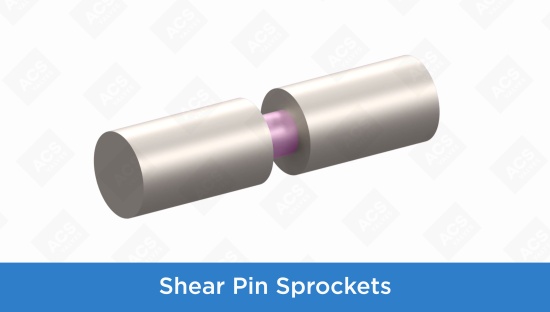
- Valves designed with shear pin sprockets prevent unnecessary damage in the event of a material jam.
Does sizing affect the valve’s lifespan?
Rotary valves are more efficient when they’re sized correctly, and depending on your material, correct sizing can also extend maintenance cycles and lifespan. For example, our experts can size your valve to prevent material from building up on the inlet flange or reduce wear from abrasive materials.
If your conveying line requires a higher capacity, you might need a larger valve with more rotor vanes. The standard is 8 vanes, but valves larger than 10 inches can go up to 10 or 12 vanes to prevent blow-by. Blow-by happens when air flows backwards into the valve from the outlet, causing abrasion and wear when left unchecked. A housing vent port is also necessary to vent excess air when your rotor has more than 10 vanes or your pneumatic conveying pressure is more than 6 PSI.
When our experts calculate valve size, we generally recommend the smallest viable option to get the most efficient air flow. If your material is abrasive, though, we might suggest a larger option to lower the valve’s RPM and gain more volume per rotation, which minimizes wear and tear.
Can coatings and accessories help?
There are plenty of different customization options you can choose to extend your rotary valve’s lifespan, and they depend on your material and application. For example, coatings can be applied to the housing, rotor, or endplates to add longevity. This could be a corrosion-resistant coating to stop rust from forming, a protective coating strong enough to withstand abrasive materials, or a coating that prevents sticky materials from building up inside the valve.
Accessories can also give your valve a boost. Some prevent shearing and material jams, some use compressed air to keep material flowing in the right direction, and some monitor the shaft rotation speed — all in the service of extending the valve’s overall lifespan.
Which options work best for your valve?
Whether you need specific maintenance tips for your rotary valve or you’re looking for a new model with the right life-extending features, the ACS Valves team is happy to help. Give us a call to find the answers you need.