
-
A.
While they have slightly different characteristics, sugar and salt both tend to do well with a 304 stainless-steel rotor and a food-grade, anti-corrosive coating called XTR-Coat for the housing. The coating provides a durable, non-stick surface to extend the valve’s lifespan and maintain consistent material flow.
-
A.
A rotary valve’s housing is typically made from cast iron or various grades of stainless-steel, but when you process highly abrasive chemicals, internal coatings can add a much-needed layer of protection that extends the valve’s lifespan. XTR-Coat is an excellent choice for its strong resistance to corrosion and abrasion, as well as its non-stick surface. For even more abrasive materials like silica sand, a tungsten coating offers the best durability.
-
A.
If your minerals are extremely abrasive, a closed-end rotor can protect your bearings and endplates. It has discs on either end that prevent the material from scraping against other parts of the rotary valve. For facilities that do not handle combustible dusts, a rotor with adjustable tips can reduce maintenance costs, allowing you adjust the tips periodically instead of frequently reordering new rotor replacements.
-
A.
These are abrasive construction materials, so your rotary airlock valve will need a tough coating to withstand wear, minimize downtime, and extend its lifespan. Hard chrome is a common choice, but heavy plate chrome and tungsten are also solid choices for more heavy-duty applications. Talk to a rotary valve expert to choose the right one.
-
A.
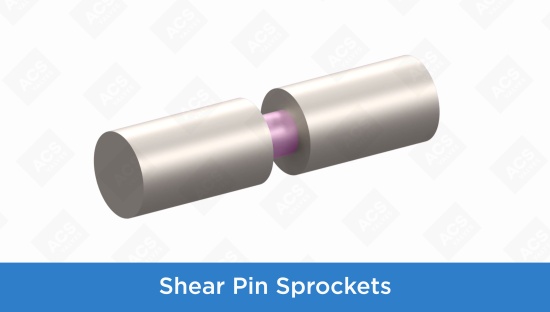
Sometimes the rotation of the rotor is reduced when too much material or large pieces of material get jammed in the clearances. In this case, shear pin sprockets will shear the pin on the sprocket, reducing the risk of damage to the rotor.
-
A.
Too much clearance between the rotor, endplates, and/or housing can result in air loss. Measure the rotor-to-endplate and rotor-to-housing clearances to confirm that they are an NFPA compliant 0.0079 inches. If the clearance is larger than this, it might be time to replace your rotor, rotary valve, or have it sent back to ACS Valves for a repair or evaluation. Make sure to stick to a maintenance schedule and check your clearances at least every three months.
Frequently Asked Questions - Durability
Questions about rotary valve manufacturing, troubleshooting, compliance, and more
The rotary valve geniuses at ACS Valves love to help manufacturers with their conveying queries, conundrums, and challenges. Browse our collection of questions and answers here.

PRODUCT HIGHLIGHT
![Flexible Rotor]()
Go ahead, make your valve
Put your own spin on our customizable valves to get the best valve for your application, material and industry.

LATEST BLOG
Read more
How we configure rotary valves for screw conveyors
To get the most efficient material flow, your rotary airlock valve should play well with your screw conveyor (and vice versa). Find out how it's done.
Newsletter
Stay informed on all things ACSWe’ll keep you up-to-date on the latest valve how-tos, handy tips, and news from ACS. It’s totally free and you can opt out at any time.