
-
A.
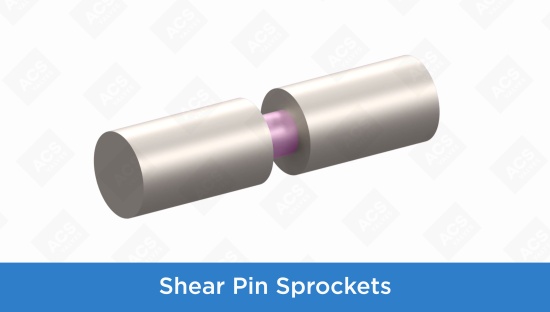
For minerals that tend to jam inside your machinery, we recommend adding a shear protector or an inlet shunt to the rotary airlock valve. If you see jamming as a result of material buildup, an air purge kit can keep those areas clear with compressed air. A shear pin sprocket design can also protect other sensitive parts of the valve when jams do occur.
-
A.
If your minerals are extremely abrasive, a closed-end rotor can protect your bearings and endplates. It has discs on either end that prevent the material from scraping against other parts of the rotary valve. For facilities that do not handle combustible dusts, a rotor with adjustable tips can reduce maintenance costs, allowing you adjust the tips periodically instead of frequently reordering new rotor replacements.
-
A.
These are abrasive construction materials, so your rotary airlock valve will need a tough coating to withstand wear, minimize downtime, and extend its lifespan. Hard chrome is a common choice, but heavy plate chrome and tungsten are also solid choices for more heavy-duty applications. Talk to a rotary valve expert to choose the right one.
-
A.
Outboard bearings are mounted on the outside of a rotary valve’s housing, while inboard bearings sit on the inside of the endplates. Because they’re located closer to the seal, inboard bearings are typically associated with more frequent repairs and a greater risk of contamination. Outboard bearings leave a gap between the seal and bearings, which makes them safer and more reliable in the long run.
Relevant for: General, Technical Support, Chemical, Construction, Food, Pet Food, Pharmaceutical and Cosmetics, Plastics -
A.
The key to storing a valve is to keep it covered in a warm, dry, and clean location to prevent condensation and contamination. For long-term storage, the valve should be kept in a temperature-controlled facility with a weatherproof covering. Check this blog or your valve manual for more detailed instructions.
Relevant for: General, Technical Support, Chemical, Construction, Food, Pet Food, Pharmaceutical and Cosmetics, Plastics -
A.
While we understand the temptation for a quick fix, we definitely don’t recommend hitting your valve with hammers, wrenches, or whatever tools you have on hand. It only damages the valve and doesn’t help with material blockage. If you need help improving material flow, speak to one of our valve experts for recommendations specific to your application.
Relevant for: Technical Support, Difficult Products, Chemical, Construction, Food, Pet Food, Pharmaceutical and Cosmetics, Plastics -
A.
When it comes to material shearing, the first thing we tend to look at is fill capacity. Factors like your material shape and size, equipment specifications, and conveying speed influence the right fill capacity to prevent jamming and shearing. Optional accessories like adjustable shear protectors, often recommended for materials like plastic pellets and sawdust, can be useful to help things keep flowing smoothly. A valve expert can give you more specific guidance based on your application.
-
A.
Rotary valves can be very effective at minimizing leakage when properly configured by an expert.
As a general recommendation to prevent dust leakage, valves should be equipped with ACST-4 shaft seals and an outboard bearing design. You should also check rotor-to-housing tolerances often, as enlarged tolerances can also cause leaks.
Frequently Asked Questions - Construction industry
Questions about rotary valve manufacturing, troubleshooting, compliance, and more
The rotary valve geniuses at ACS Valves love to help manufacturers with their conveying queries, conundrums, and challenges. Browse our collection of questions and answers here.

PRODUCT HIGHLIGHT
![Flexible Rotor]()
Go ahead, make your valve
Put your own spin on our customizable valves to get the best valve for your application, material and industry.

LATEST BLOG
Read more
How we configure rotary valves for screw conveyors
To get the most efficient material flow, your rotary airlock valve should play well with your screw conveyor (and vice versa). Find out how it's done.
Newsletter
Stay informed on all things ACSWe’ll keep you up-to-date on the latest valve how-tos, handy tips, and news from ACS. It’s totally free and you can opt out at any time.